

ISO 9001 : 2015

ISO 9001 : 2015
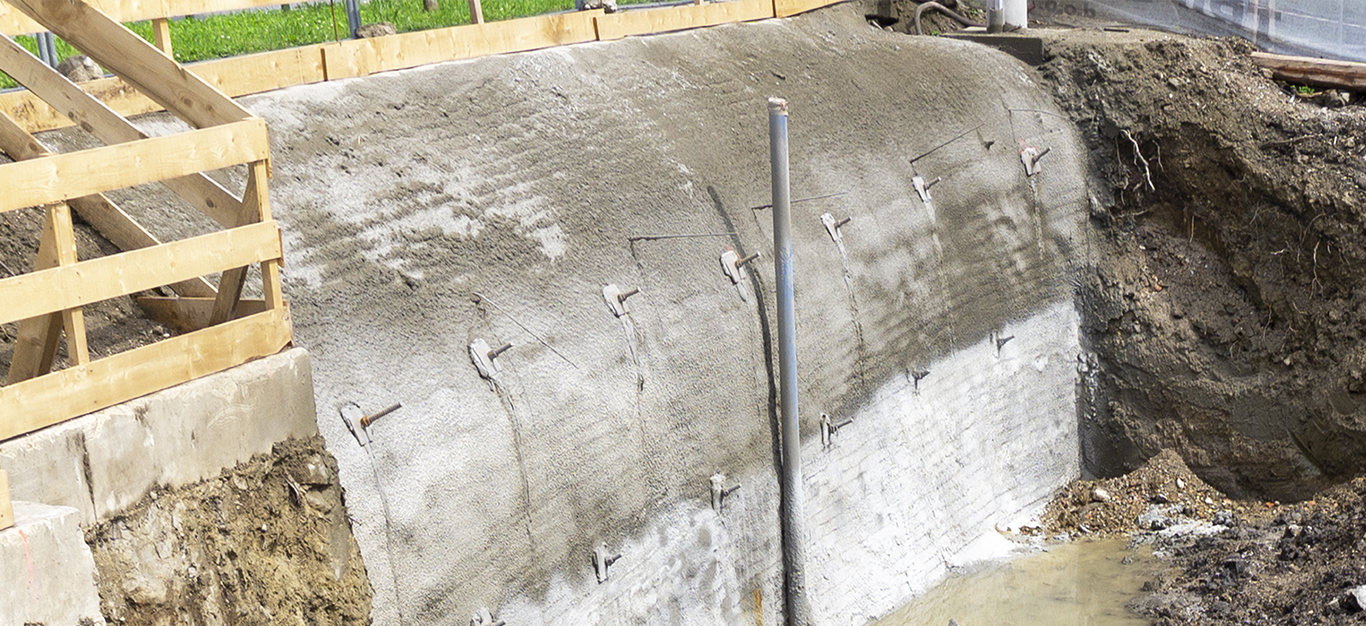
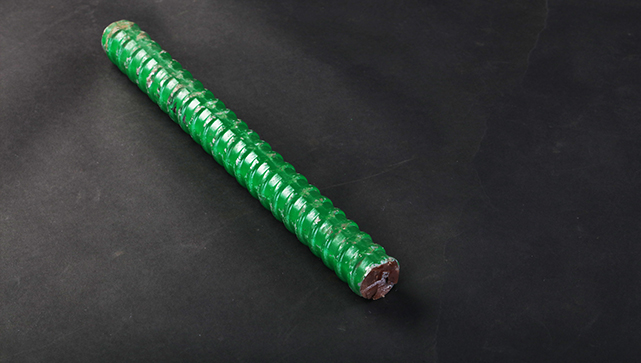
TerraShield Soil nail is a ground reinforcement technique used to stabilize slopes, retaining walls, or excavations. It involves inserting steel bars (“nails”) into the soil to increase its strength and prevent collapse.
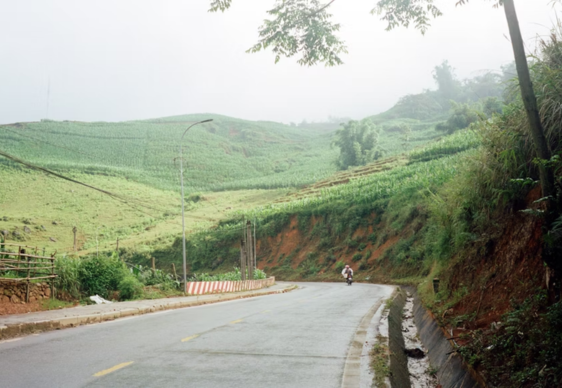
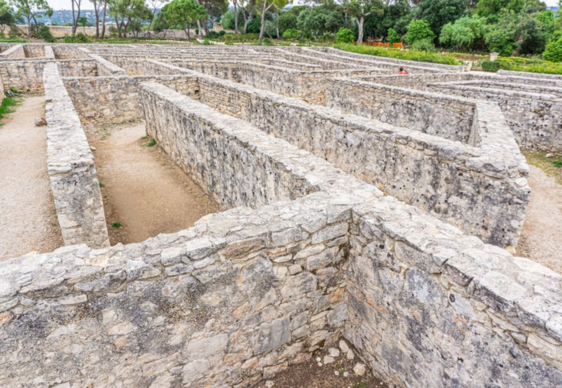
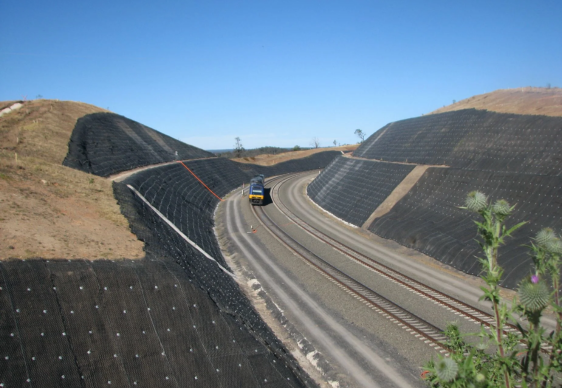
| PROPERTY | VALUE |
| Tensile Strength | 500mpA - 1200mpA |
| Thickness | 28mm - 38mm |
| Length | 1.5m - 6m |
A Soil Nail (Solid Bar) is a high-strength steel reinforcement element used to stabilize slopes, excavations, retaining structures, and cuttings. It works by reinforcing the in-situ soil, increasing shear strength and limiting deformation. Soil nails are widely used in highway widening, railway embankments, metro excavations, and landslide mitigation projects.
While both are reinforcement elements, soil nails are generally installed in soil or weak rock, whereas rock bolts are used in competent rock masses. Soil nails rely on grout–soil bond strength, making them ideal for loose to medium-dense soils commonly found in infrastructure projects. This further helps pick the right quality soil nail for wall construction and similar projects.
Soil nails are commonly available in diameters ranging from 20 mm to 40 mm, with lengths varying from 3 meters to 12 meters or more. Custom lengths and diameters can be manufactured based on design load, soil conditions, and project specifications. These are important to consider for soil nail for b2b supply.
Soil nails are installed using a top-down construction method, which includes:
• Drilling holes at designed inclination
• Inserting the solid bar
• Grouting under controlled pressure
• Fixing bearing plates and nuts
This method ensures minimal disturbance to surrounding soil and structures.
Seamless installation is also supported by soil nailing for slope stabilization and similar projects.
A cement-based grout with controlled water-cement ratio is used. In aggressive soil or groundwater conditions, special additives or micro-fine cement grout may be used to enhance durability and bond strength. This is how it is important to choose specific soil nail for wall construction.
Yes. Soil nails can be designed for temporary, semi-permanent, or permanent structures. For permanent applications, additional corrosion protection measures are incorporated to ensure long-term performance.
Common corrosion protection systems include:
• Hot-dip galvanization
• Epoxy-coated bars
• Double corrosion protection (DCP) with grout and sheathing
These methods enhance durability, especially in coastal, acidic, or high-moisture soil environments.
Soil nailing systems are designed as per:
• IS 14490
• FHWA Soil Nailing Manual
• BS 8006
• EN 14490
Design depends on soil parameters, load conditions, groundwater level, and safety factors. This is what you can expect from a reliable soil nail for wholesale supply source.
Key advantages include:
• Cost-effective slope stabilization
• Faster construction compared to RCC retaining walls
• Minimal excavation and land acquisition
• Adaptability to varying soil conditions
• Suitable for congested urban sites
These are important considerations when buying soil nail in India for various applications.
Absolutely. Soil nails are extensively used in:
• Indian Railways & Metro Rail projects
• NHAI highway cuttings and widening
• Hill road stabilization
• Bridge approaches and abutments.