

ISO 9001 : 2015

ISO 9001 : 2015
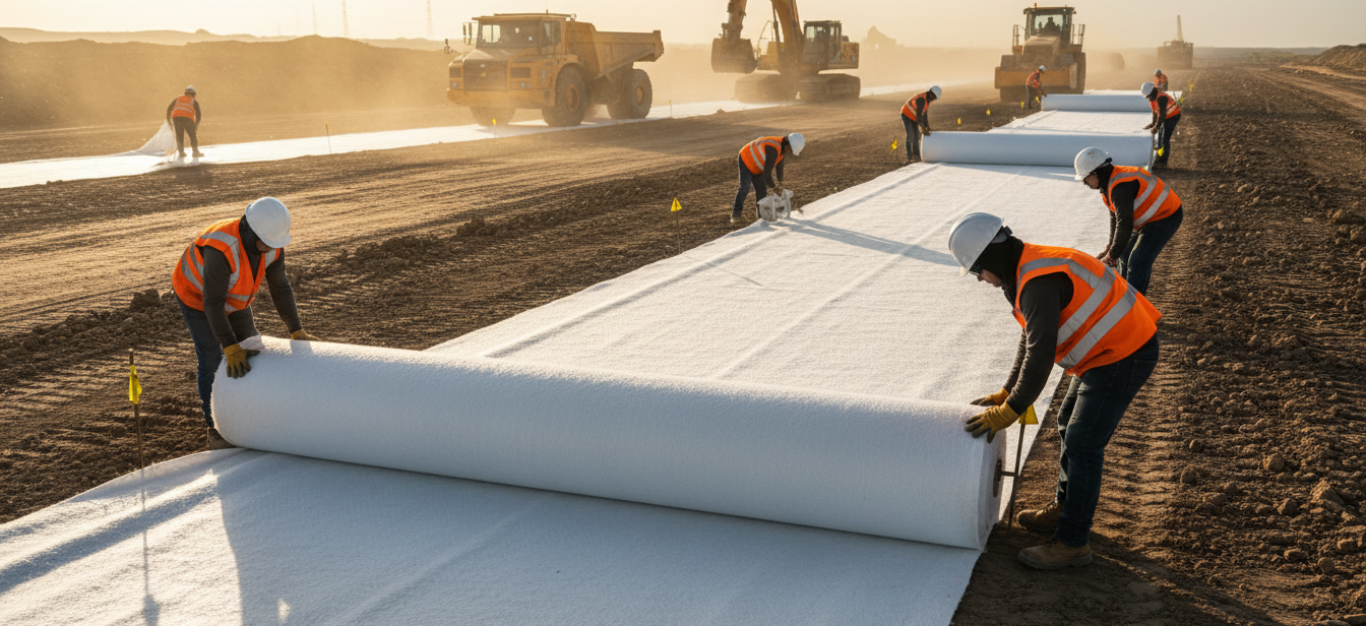
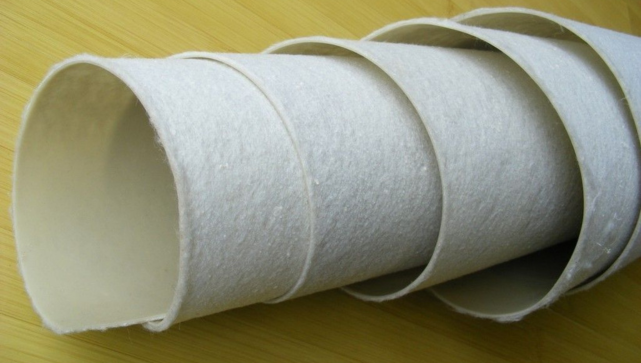
TerraShield Geotextile made from staple fibres that are mechanically bonded by a needle punching process to produce a dimensionally stable network. The fibres used are 100% virgin white Polypropylene, ultra-violet resistant with 165°C melting point.





| TESTS/PROPERTIES | UNIT | ASTM METHOD | TSI 120 | TSI 150 | TSI 200 | TSI 250 | TSI 300 | TSI 400 | TSI 500 | TSI 600 |
| Mass per Unit Area | g/m² | D-5261 | 120 GSM | 150 GSM | 200 GSM | 250 GSM | 300 GSM | 400 GSM | 500 GSM | 600 GSM |
| Thickness | mm | D-5199 | 1.1 | 1.3 | 1.6 | 1.8 | 1.9 | 2.5 | 2.9 | 3.4 |
| Grab Tensile strength | N | D-4632 | 480 | 540 | 720 | 865 | 1010 | 1325 | 1570 | 1980 |
| Elongation @ Break | % | D-4632 | 60 | 60 | 60 | 60 | 60 | 60 | 60 | 60 |
| Trapezoidal tear | N | D-4533 | 210 | 230 | 300 | 360 | 415 | 510 | 600 | 705 |
| Puncture Strength | N | D-4833 | 290 | 315 | 400 | 525 | 650 | 785 | 910 | 1080 |
| Permittivity | s-1 | D-4491 | 2.5 | 2.4 | 2 | 1.6 | 1.2 | 0.8 | 0.7 | 0.6 |
| AOS (Apparent Opening Size) | μm | D-4751 | 180 | 180 | 150 | 150 | 120 | 106 | 90 | <70 |
| Mullen Burst | kpa | D-3786 | 1550 | 1655 | 2175 | 2630 | 3185 | 4050 | 4700 | 5500 |
| UV Resistance @500hrs | % | D-4355 | 70% | 70% | 70% | 70% | 70% | 70% | 70% | 70% |
| Roll Width | mtr | Upto 6 | Upto 6 | Upto 6 | Upto 6 | Upto 6 | Upto 6 | Upto 6 | Upto 6 |
| PROPERTY | STANDARD | UNIT | TSI 100 | TSI 120 | TSI 150 | TSI 180 | TSI 200 | TSI 300 | TSI 400 | TSI 500 | TSI 600 |
| Tensile Strength (MD/CD) | EN ISO 10319 | kN/m | 6 | 8 | 9.4 | 12.5 | 14 | 22 | 30 | 37 | 42 |
| Elongation (MD/CD) | EN ISO 10319 | % | 40/55 | 40/55 | 40/55 | 45/55 | 45/55 | 50/55 | 50/55 | 60/65 | 60/65 |
| CBR Puncture | EN ISO 12236 | N | 1085 | 1400 | 1630 | 2100 | 2500 | 4000 | 5000 | 5200 | 7000 |
| Dynamic Cone Drop | EN ISO 13433 | mm | 30 | 28 | 24 | 20 | 18 | 12 | 9 | 5 | 4 |
| Grab Strength (MD/CD) | ASTM D 4632 | N | 400 | 500 | 590 | 760 | 960 | 1400 | 1800 | 2300 | 2600 |
| Grab Elongation (MD/CD) | ASTM D 4632 | % | 70/75 | 70/75 | 70/75 | 70/75 | 70/75 | 70/75 | 70/75 | 70/75 | 70/75 |
| Puncture Strength | ASTM D 4833 | N | 220 | 270 | 320 | 450 | 500 | 750 | 900 | 1000 | 1075 |
| Mullen Burst | ASTM D 3786 | Psi | 170 | 210 | 255 | 325 | 375 | 580 | 700 | 800 | 865 |
| Trapezoidal Tear Strength | ASTM D 4533 | N | 200 | 265 | 290 | 370 | 475 | 600 | 650 | 850 | 1020 |
| Permeability | EN ISO 11058 | m/s.10-3 | 116 | 110 | 102 | 95 | 80 | 60 | 50 | 40 | 33 |
| Water Flow in Plane 20kpa | EN ISO 12958 | m2/s | 1x10⁻⁷ | 1x10⁻⁷ | 1x10⁻⁷ | 1x10⁻⁷ | 2x10⁻⁷ | 3x10⁻⁶ | 1x10⁻⁵ | 6x10⁻⁶ | 7x10⁻⁶ |
| Apparent Opening Size | EN ISO 12956 | Mu | 125 | 120 | 115 | 100 | 100 | 90 | 80 | 72 | 68 |
| Permeability | ASTM D 4491 | l/m2s | 135 | 130 | 120 | 100 | 85 | 75 | 50 | 40 | 33 |
| Apparent Opening Size | ASTM D 4751 | Mu | 190 | 180 | 170 | 140 | 110 | 80 | 65 | 60 | 60 |
| Thickness under 2kpa | EN ISO 9863-1 | mm | 1 | 1.2 | 1.4 | 1.65 | 1.8 | 2.4 | 3 | 3.5 | 4 |
| Thickness under 2kpa | ASTM D 5199 | mm | 1 | 1.2 | 1.4 | 1.65 | 1.8 | 2.4 | 3 | 3.5 | 4 |
| Natural UV | ASTM D 4355 | % | 75 | 75 | 75 | 75 | 75 | 75 | 75 | 75 | 75 |
| Roll Size | sqm | 2x200m | 2x200m | 2x200m | 2x100m | 2x100m | 2x100m | 2x50m | 2x50m | 2x50m |
Non-woven geotextile is a synthetic fabric made from polypropylene or polyester fibers bonded mechanically or thermally, where needle punched nonwoven geotextiles are used for filtration, separation, drainage, and protection.
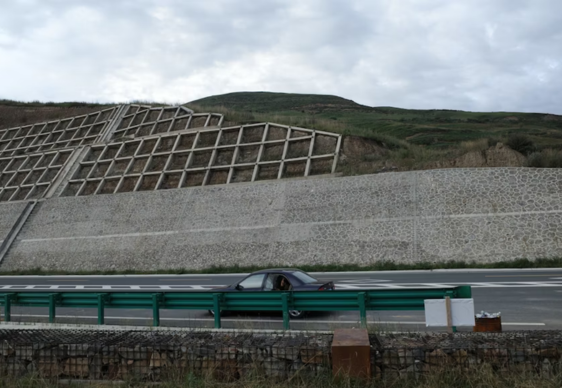
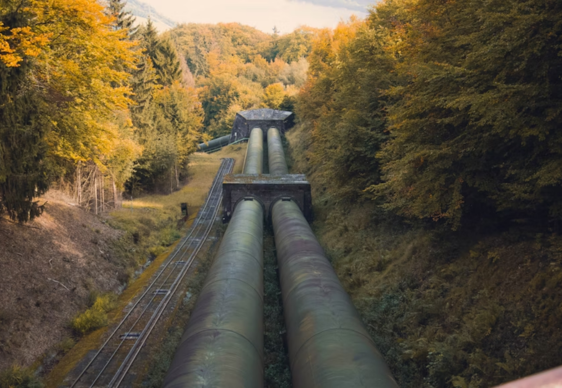
Used in roads, railways, drainage systems, landfills, embankments, retaining walls, and erosion control works. This is how non-woven geotextile in India becomes a key factor in improved infrastructure development.
It prevents intermixing of subgrade and aggregate layers while allowing water to pass through. This is where non-woven needle punched geotextile is of great use.
Common GSM ranges are 100 to 700 GSM, depending on application requirements. This is what you can expect from a professional distributor geotextile non-woven.
Yes, high-quality non-woven geotextiles are resistant to chemicals, biological degradation, and UV exposure. These are the key characteristics of the best non-woven geotextile.
Railway subgrades experience:
• Repeated cyclic loading
• High ballast fouling risk
• Water ingress during monsoons Non-woven geotextiles provide:
• Separation between subgrade and ballast
• Drainage of pore water
• Prevention of pumping and mud-wave formation
So, for handling large scale infrastructural projects, there is a need for reliable non-woven geotextile for wholesale supply source.
• Railways: 250–350 GSM (formation protection)
• Highways (NHAI): 150–300 GSM (subgrade separation)
• Hill Roads / BRO: 300–600 GSM (high drainage & puncture resistance)
The specifications are followed in non-woven geotextile for B2B in India.
It:
• Maintains aggregate thickness
• Prevents loss of fines
• Improves modulus of composite section
• Reduces maintenance cycles
Designed service life:
• 50+ years in buried conditions
• Chemically inert
• Resistant to biological degradation