

ISO 9001 : 2015

ISO 9001 : 2015
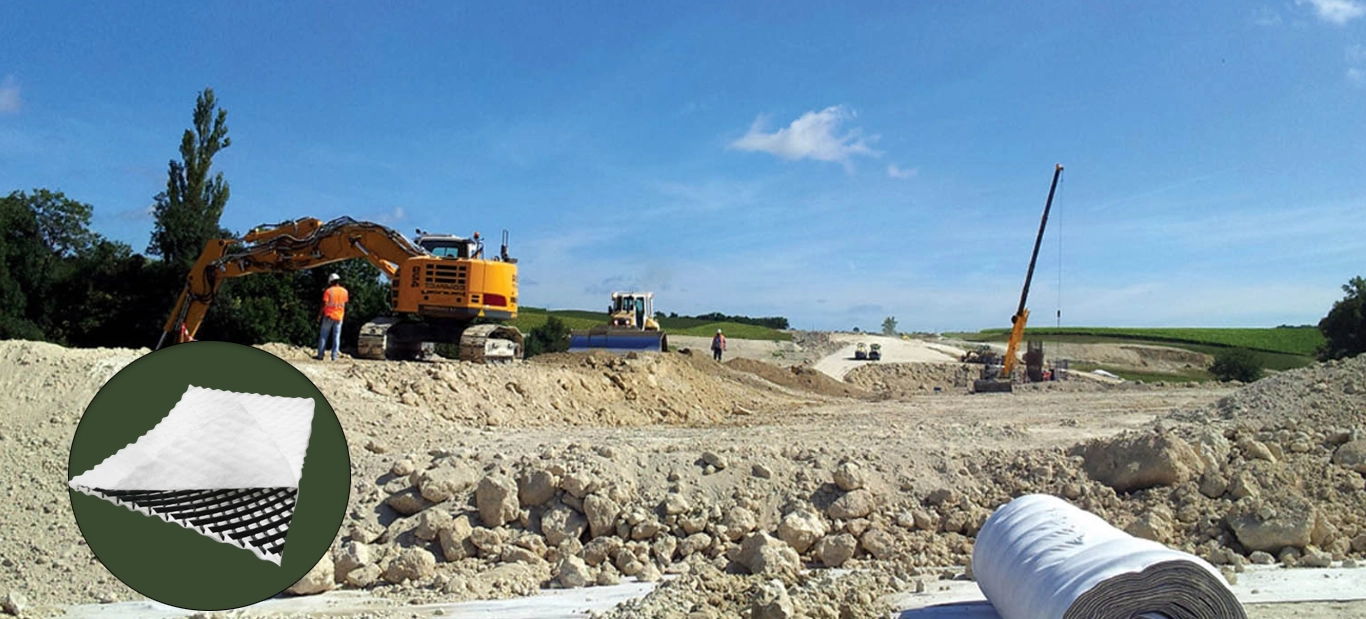
Conventional drainage uses natural aggregates widely. Sand and gravel form main materials. These materials create flow channels naturally. But installation needs heavy labor effort. Workers must place layers carefully. The process takes more construction time. So, project schedules sometimes face delays. The system also needs more space. Thick layers increase structure dimensions significantly. Sometimes, clogging affects drainage efficiency badly. Fine soil particles block flow paths. This reduces long term drainage performance. Maintenance becomes necessary after several years. The system may lose effectiveness gradually. But conventional systems still serve many projects. They remain familiar to many engineers. So, traditional methods still exist today.
Modern drainage uses engineered composite layers. These layers combine drainage and filtration functions. The core uses strong polymer geonet. The outer layer uses bonded geotextile filters. So, water flows easily through channels. The filter stops soil particles effectively. This prevents clogging problems long term. The structure remains thin and flexible. You can install it easily anywhere. The system adapts to complex shapes quickly. But strength remains high during installation work. This system handles harsh soil conditions well. The material resists chemical and biological damage. It performs well in aggressive environments. These features support sustainable drainage materials development. So, engineers trust composite drainage performance today.
Drainage efficiency depends on flow capacity. Conventional drains rely on natural void spaces. These voids reduce under heavy pressure conditions. So, drainage performance sometimes decreases over time. Composite drains maintain consistent flow capacity. The geonet creates continuous drainage channels internally. This ensures reliable water transmission always. The filter layer protects internal channels. Soil intrusion cannot block water movement. But conventional drains face clogging risks frequently. This affects system reliability and lifespan. Engineers often study geocomposite vs sand drain behavior. The results show clear performance advantages. Composite systems maintain higher efficiency levels. So, infrastructure durability improves significantly today.
Installation speed affects project completion timelines greatly. Conventional systems need multiple material layers. Workers must transport heavy aggregates carefully. This increases labor and equipment costs. But composite drains simplify installation processes greatly. The product arrives ready for placement. Workers install rolls quickly without delay. So, construction time reduces significantly overall. Lightweight material improves handling efficiency greatly. You can install it in confined areas. The system also reduces structural thickness requirements. This supports modern compact construction needs easily. But performance remains reliable under heavy loads. Engineers achieve faster project completion successfully. So, modern drainage improves construction efficiency today.
Composite drainage supports many infrastructure applications effectively. Highways require reliable subsurface drainage systems. Railways also need efficient water removal. Retaining walls need pressure relief support. Bridge abutments require proper drainage protection. Landfills use drainage for leachate control. Sports fields require stable ground conditions. Tunnel walls need moisture control protection. Basement walls also require proper drainage support. So, composite drains serve many sectors efficiently. Engineers perform performance comparison drainage systems studies regularly. These studies confirm long term reliability advantages. But maintenance needs remain lower overall. The system provides durable drainage performance. So, lifecycle costs reduce significantly over time.
Drainage systems protect structural stability always. Conventional systems served infrastructure for decades. But limitations affect long term performance. Modern composite drainage solves many problems. The design combines filtration and drainage functions. So, efficiency improves significantly in projects. Installation becomes faster and easier today. Maintenance requirements also reduce greatly. Engineers prefer reliable drainage solutions now. Composite systems offer consistent performance benefits. They support modern infrastructure development effectively. So, advanced drainage ensures durable construction results.