

ISO 9001 : 2015

ISO 9001 : 2015
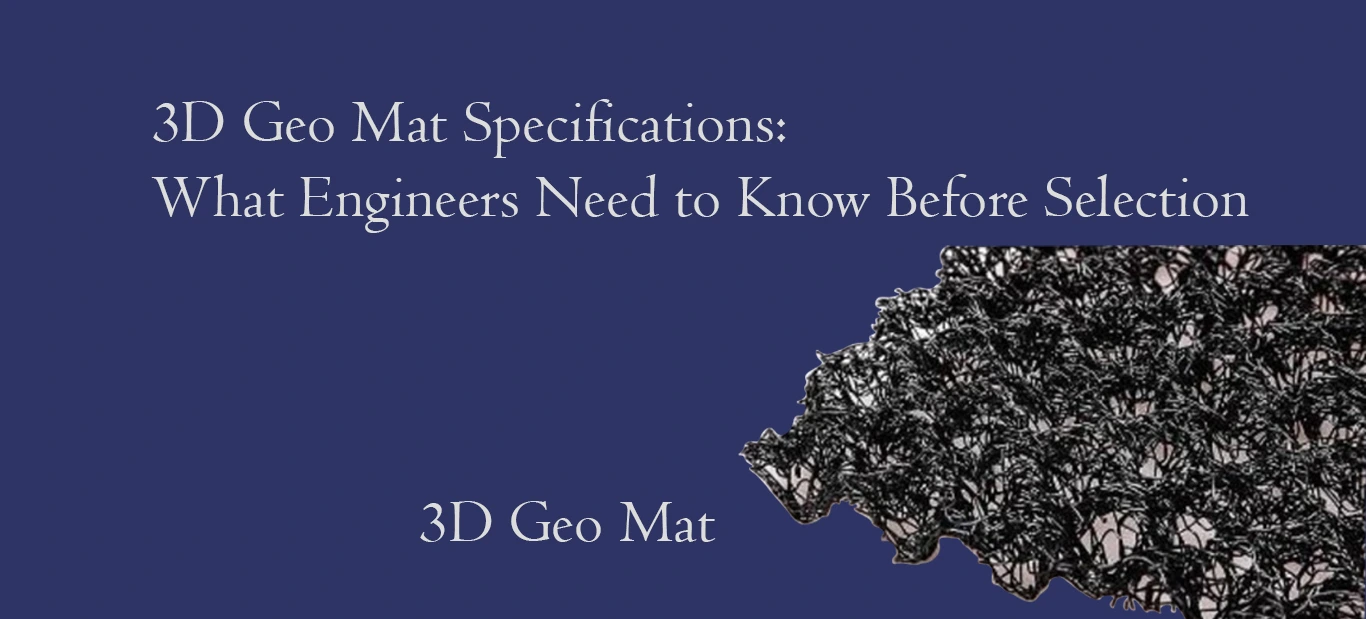
Sunlight, moisture, and fluctuations in temperature all cause outdoor materials to break down over time. A UV resistant geomat, such as the 3D Geo Mat, offers extended service life even in completely exposed environments. The mat can get weaker over time from being in the sun, but UV stabilization keeps it together. In open areas like golf courses, parks, seaside areas, and highway embankments, protective covers may stay visible for a long time before plants start to grow. The mat is weatherproof and resistant to chemicals, making it good for coastal areas with saltwater and industrial drainage systems.
Many engineering projects employ the 3D Geo Mat. For hydraulic operations, it stops the scouring of canals, riverbanks, and drainage channels. Geotechnical projects employ it on steep slopes and embankments to keep the surface from eroding while plants grow. It also protects the edges of roads and railroads, the tops of landfills, and the coasts. It can be used for erosion management and looks good in landscaping and recreational projects because it can mix in with natural vegetation. The mat's light weight and easy installation save money on people and equipment while yet working well for big projects.
When picking a 3D Geo Mat, engineers should think about the slope gradient, soil type, hydraulic forces, and how fast plants develop. Knowing these things helps you pick the right mat thickness, tensile strength, and porosity for the job. For culvert exits and coastal areas with a lot of water flow, it is best to use mats that can hold more weight and are stronger. But a standard 3D Geo Mat reinforcement might function on modest slopes in the landscape. The mat's structure should make it easier for roots to grow and make it more stable, thus it should work well with the plants in the area. By matching material specifications to the environment, engineers can help restore ecosystems and keep erosion from happening in the long term.